
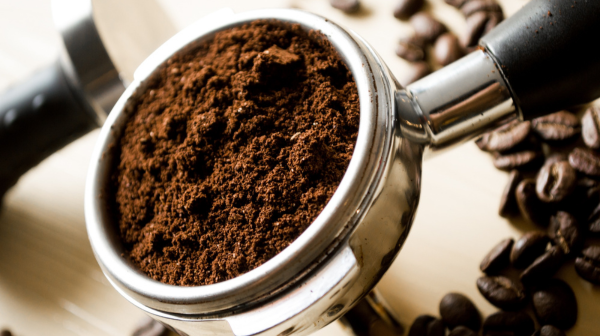
Coffee is one of the most consumed beverages in the world, and with every cup brewed, a significant amount of waste is generated. Used coffee grounds, coffee husks, and even spent filters often end up in the trash, contributing to landfill waste. What many people do not realize is that coffee residues are rich in nutrients, antioxidants, and textures that make them incredibly versatile for reuse.
Transforming coffee waste into useful products is not only an environmentally responsible choice but also an opportunity to create value from something that would otherwise be discarded. From composting and natural cosmetics to creative upcycling projects, coffee waste can be repurposed in practical and innovative ways. This article explores how coffee residues can be transformed into valuable products while supporting sustainability and conscious consumption.
Understanding Coffee Waste and Its Potential
Coffee waste generally includes used coffee grounds, coffee chaff from roasting, and coffee husks from processing. Among these, used coffee grounds are the most accessible for households and small businesses. They are rich in organic matter, contain nitrogen, and have a slightly abrasive texture, which makes them suitable for multiple applications.
Instead of viewing coffee waste as a problem, it can be seen as a raw material. By reusing it properly, individuals can reduce household waste, lower environmental impact, and even save money by replacing store-bought products with homemade alternatives.
Composting Coffee Grounds for Soil Enrichment
One of the simplest and most effective ways to reuse coffee waste is composting. Coffee grounds are considered green compost material due to their nitrogen content, which helps balance carbon-rich materials like dry leaves or cardboard.
Benefits of Composting Coffee Grounds
When added to compost, coffee grounds improve soil structure and support microbial activity. This leads to healthier plants and better water retention in the soil. Contrary to common belief, used coffee grounds are not highly acidic and are generally safe for composting when balanced with other materials.
Composting coffee waste also reduces methane emissions from landfills, contributing to a lower carbon footprint. For gardeners and plant enthusiasts, it provides a natural way to nourish plants without chemical fertilizers.
How to Compost Coffee Waste at Home
To compost coffee grounds effectively, mix them with brown materials such as dried leaves, paper, or straw. Avoid adding large quantities at once, as clumping can limit airflow. Coffee filters made from paper can also be composted, adding additional carbon to the mix.
For apartment dwellers, small compost bins or vermicomposting systems can easily accommodate coffee grounds. Worms are particularly fond of them when used in moderation.
Using Coffee Waste in Natural Cosmetics
Coffee grounds have become a popular ingredient in natural skincare products due to their antioxidant properties and texture. They are commonly used in scrubs, soaps, and masks, offering both functional and sensory benefits.
Coffee Grounds as a Natural Exfoliant
The slightly coarse texture of coffee grounds makes them ideal for exfoliation. When used in body scrubs, they help remove dead skin cells, improve circulation, and leave the skin feeling smooth. Many people choose coffee-based scrubs as a natural alternative to synthetic exfoliants.
Homemade coffee scrubs can be created by mixing used coffee grounds with ingredients such as coconut oil, olive oil, or honey. This allows for full control over the formulation and avoids unnecessary additives.
Antioxidant Properties and Skin Care
Coffee contains antioxidants that help fight free radicals, which are associated with premature skin aging. While coffee-based cosmetics are not medical treatments, they are widely appreciated for their refreshing and revitalizing effects.
Used coffee grounds can also be incorporated into handmade soaps and face masks. When properly dried and stored, they maintain their beneficial properties and add a natural aroma to cosmetic products.
Coffee Waste in Hair and Personal Care Products
Beyond skincare, coffee waste can be used in hair care routines. Some people use coffee-infused rinses to add shine to dark hair or incorporate grounds into scalp scrubs. These applications are part of traditional and DIY beauty practices focused on natural ingredients.
It is important to use coffee waste gently and avoid sensitive areas, as the texture may be abrasive if applied incorrectly. Testing small amounts is always recommended when trying new personal care products.
Upcycling Coffee Waste into Household Products
Upcycling goes beyond composting and cosmetics by transforming waste into entirely new products. Coffee grounds are increasingly used in creative and functional household items.
Odor Absorbers and Natural Deodorizers
Dried coffee grounds are excellent at absorbing odors. They can be placed in open containers inside refrigerators, closets, or shoes to neutralize unwanted smells. This provides a chemical-free alternative to commercial air fresheners.
Coffee waste can also be combined with baking soda to create simple deodorizing solutions for household use.
Cleaning and Scrubbing Applications
Due to their abrasive texture, coffee grounds can be used as a natural scrub for cleaning pots, pans, and surfaces that require extra effort. They are particularly effective for removing grease and stuck-on food.
Using coffee grounds for cleaning reduces the need for synthetic cleaners and extends the life cycle of a common household waste product.
Creative and Artistic Uses of Coffee Waste
Coffee waste has also found a place in creative industries. Artists and designers use coffee grounds and coffee-based dyes to create unique textures and colors in art, textiles, and handmade paper.
Coffee can be used as a natural dye to stain fabrics, paper, and wood, producing warm, earthy tones. This technique is popular among crafters who prefer eco-friendly materials and natural aesthetics.
Coffee Waste in Sustainable Product Design
In recent years, coffee waste has been incorporated into innovative product design. Some companies use coffee grounds to create reusable cups, furniture components, and biodegradable packaging materials. While these processes are often industrial, they highlight the growing recognition of coffee waste as a valuable resource.
At a smaller scale, individuals can experiment with mixing coffee grounds into clay, resin, or cement for DIY projects. These upcycled items often have a distinctive appearance and story behind them, making them both functional and meaningful.
Environmental Impact and Sustainability Benefits
Reusing coffee waste contributes to a circular economy, where materials are reused instead of discarded. This reduces landfill use, conserves resources, and minimizes pollution associated with waste management.
By adopting simple habits like composting or upcycling coffee grounds, households can take practical steps toward sustainability without major lifestyle changes. These actions also raise awareness about consumption patterns and encourage more mindful use of everyday resources.
Economic Opportunities from Coffee Waste
Transforming coffee waste into products can also create economic opportunities. Small businesses and artisans sell coffee-based scrubs, soaps, candles, and eco-friendly goods at local markets and online platforms. These ventures often appeal to environmentally conscious consumers seeking sustainable alternatives.
Even at home, repurposing coffee waste can reduce spending on fertilizers, cleaning products, and personal care items, offering both environmental and financial benefits.
Rethinking Waste as a Resource
Coffee waste is a powerful example of how everyday residues can be transformed into something useful and valuable. Whether through composting, cosmetics, or upcycling projects, used coffee grounds have the potential to support a more sustainable and creative lifestyle.
By rethinking waste as a resource, individuals can make small but meaningful changes that benefit the environment and inspire innovation. Every cup of coffee consumed presents an opportunity to reduce waste and create something new, proving that sustainability can start with simple, everyday choices.